History


IS IMPORTANT

Explore

Search for a specific event or composer, or view all events from a season using the dropdown menu.


SEASON


Festival Series: Strength In Numbers
Jun
27

Festival Series: Strength In Numbers

  • Rôtie Production Facility, Walla Walla Airport Area (map)
  • Google Calendar ICS

David Schiff (b. 1945)

Chamber Concerto No. 2 for Violin and String Nonet: Vineyard Rhythms

I. Hawk (winter to spring)

II. Gaia (spring to summer)

III. Harvest (fall to winter)

— Intermission —

Felix Mendelssohn (1809–1847)

Octet for Strings in E Flat, Op. 20 (1825)

I. Allegro moderato con fuoco

II. Andante

III. Scherzo. Allegro leggierissimo

IV. Presto


Artists: Natasha Bazhanov, violin; Timothy Christie, viola; Artur Girsky viola; Norbert Lewandowski, cello; Christina McGann, violin; Stephen Miahky, violin; John Popham, cello; Maria Sampen, violin; Joshua Skinner, double bass


View Event →
Tasting Music: David Schiff, Vineyard Rhythms
Jun
26

Tasting Music: David Schiff, Vineyard Rhythms

David Schiff (b. 1945)

Chamber Concerto No. 2 for Violin and String Nonet: Vineyard Rhythms

I. Hawk (winter to spring)

II. Gaia (spring to summer)

III. Harvest (fall to winter)


It began in a winery, not unlike this very Festival. Susan Sokol Blosser of the eponymous Willamette Valley winery in the Dundee Hills approached the composer David Schiff to compose a piece to honor her mother, a violinist, and the vineyard she so loved. David accepted, and tonight we give the Washington premiere of his work, Vineyard Rhythms. The piece portrays the annual cycle from hibernation to harvest, known to viticulturists the world over.

“In the vineyard, time is circular. The vines stay put and the seasons flow effortlessly, one into the next, weaving a multicolored, multilayered tapestry. Like the vineyard, we are the same person year after year, but we each have our own season of hope, of growth, of maturing, of inactivity or withdrawal, and then of renewal. The vineyard is my metaphor for life.”

— Susan Sokol Blosser

It’s always important to taste outside of one’s own AVA, and we’re delighted to welcome some musical Pinot Noir to the Walla Walla Valley for this performance.


Artists: Natasha Bazhanov, violin; Timothy Christie, viola; Artur Girsky, viola; Norbert Lewandowski, cello; Christina McGann, violin; Stephen Miahky, violin; Vanessa Moss, violin; John Popham, cello; Maria Sampen, violin; Joshua Skinner, double bass


View Event →
Portrait of an Artist: John Popham, cello
Jun
25

Portrait of an Artist: John Popham, cello

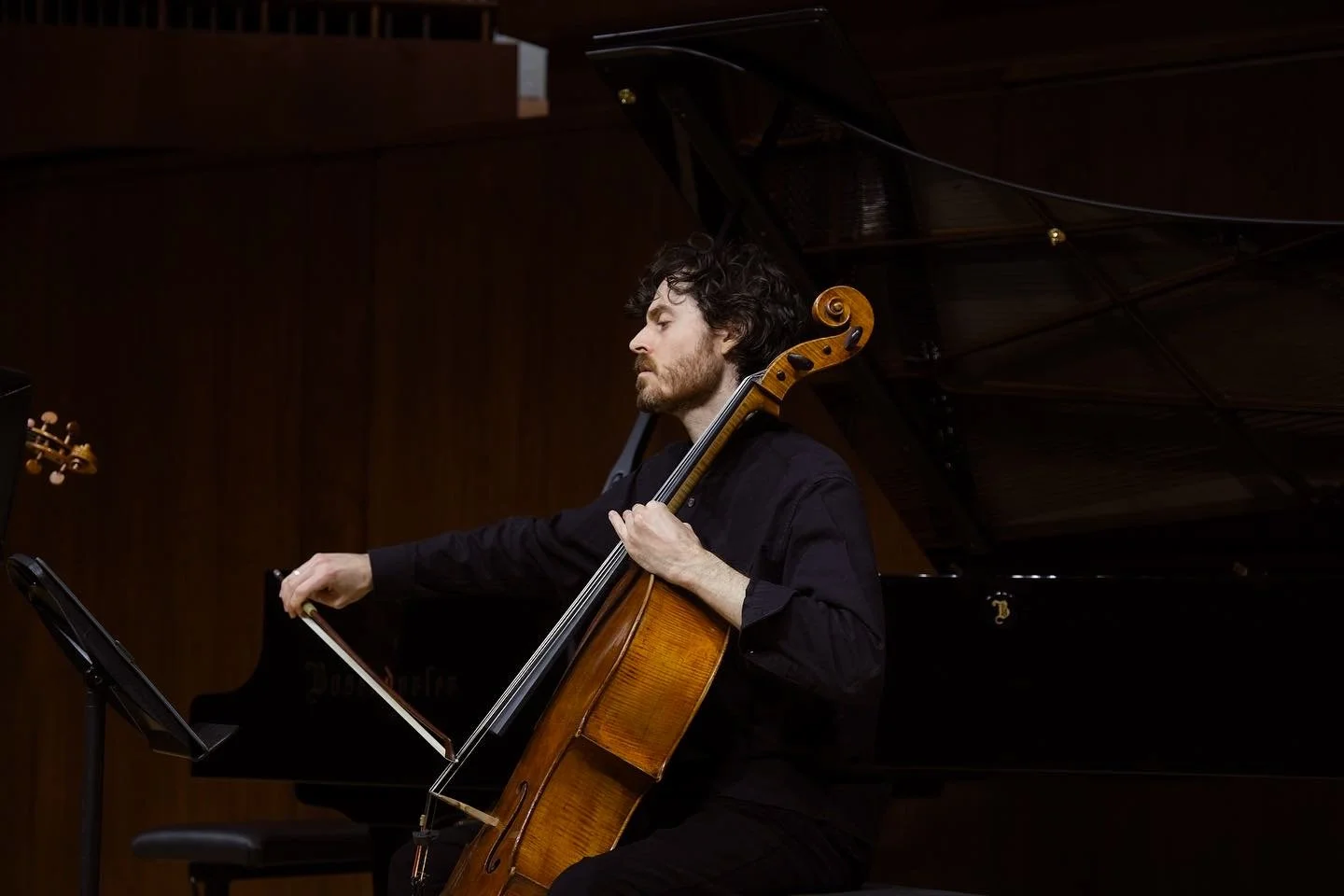
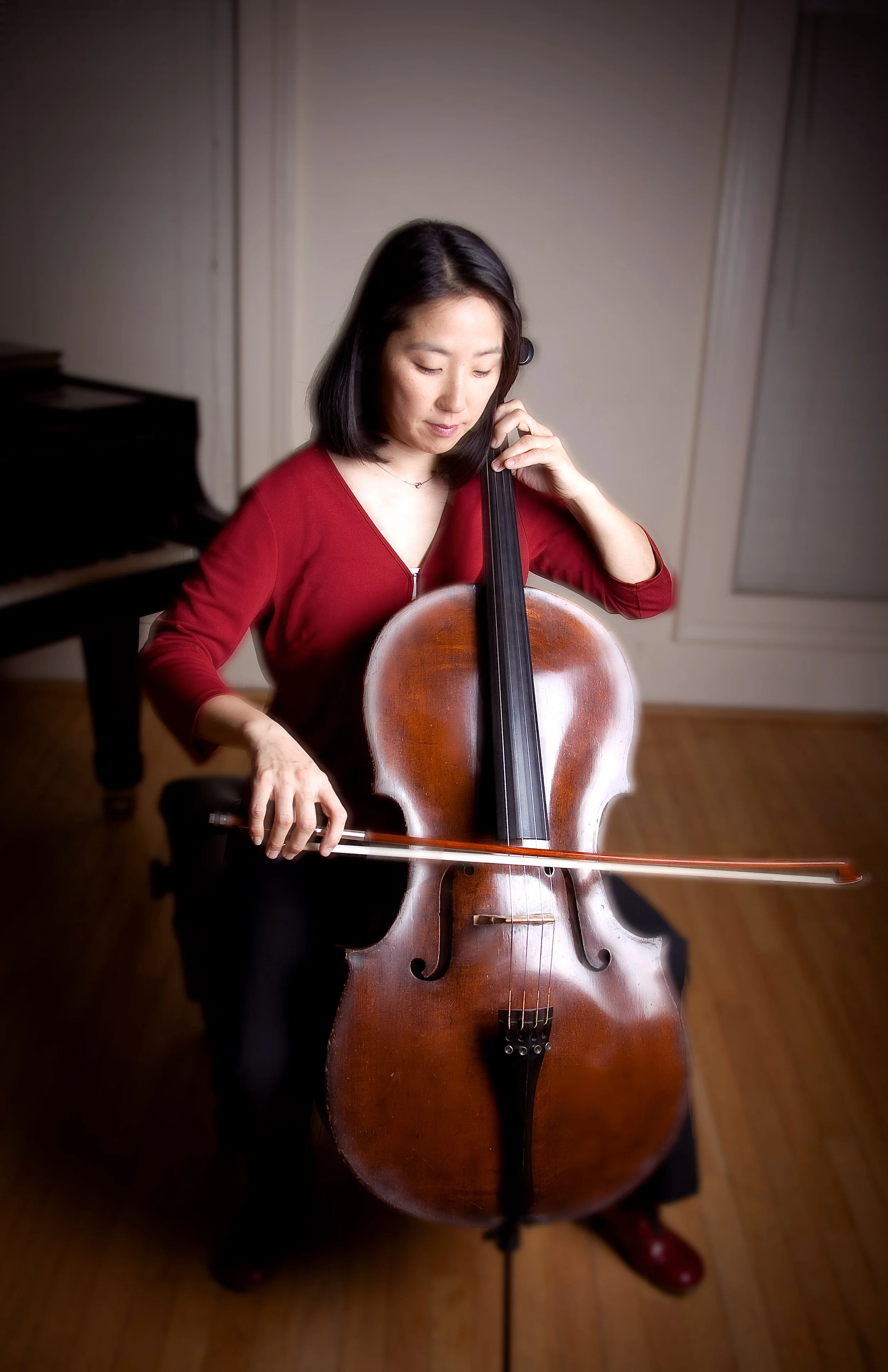
Cellist John Popham made his WWCMF debut during the January 2026 Winter Festival. It was Tasting Music night, Beethoven’s Op. 59 No. 2. As the overly talkative Artistic Director mused about the character of the key of E minor, invoking the Brahms Cello Sonata of the same key, John gamely riffed, providing the opening melody of that piece without hesitation. In so doing, he more or less committed to being the subject of a future — now present! — PoA recital.

Long a New Yorker by way of Louisville, KY, John is a fairly recent transplant to the Pacific Northwest. In Fall 2025, he began his tenure as Professor of Cello and String Chamber Music at the University of Washington. Prior to his westward migration, he taught in the Juilliard School’s Music Advancement Program and served for three years as Juilliard’s Artistic Administrator for Community Engagement, where he mentored Juilliard teaching fellows; produced interactive, multidisciplinary educational programs; and curated the school’s Young People’s Concert series.

And tonight, we get to find out what makes him tick. Maybe we’ll even hear a little of that Brahms that got us started back in January…


Artists: John Popham, cello; Ronaldo Rolim, piano


Works included:

  • Schumann — Fantasy Pieces Op. 73

  • Saariaho — Lullaby

  • Beethoven — Sonata Op. 102 No. 1


View Event →
Special Event: Fluid Dynamics — Rachel Lee Priday, violin
Jun
23

Special Event: Fluid Dynamics — Rachel Lee Priday, violin

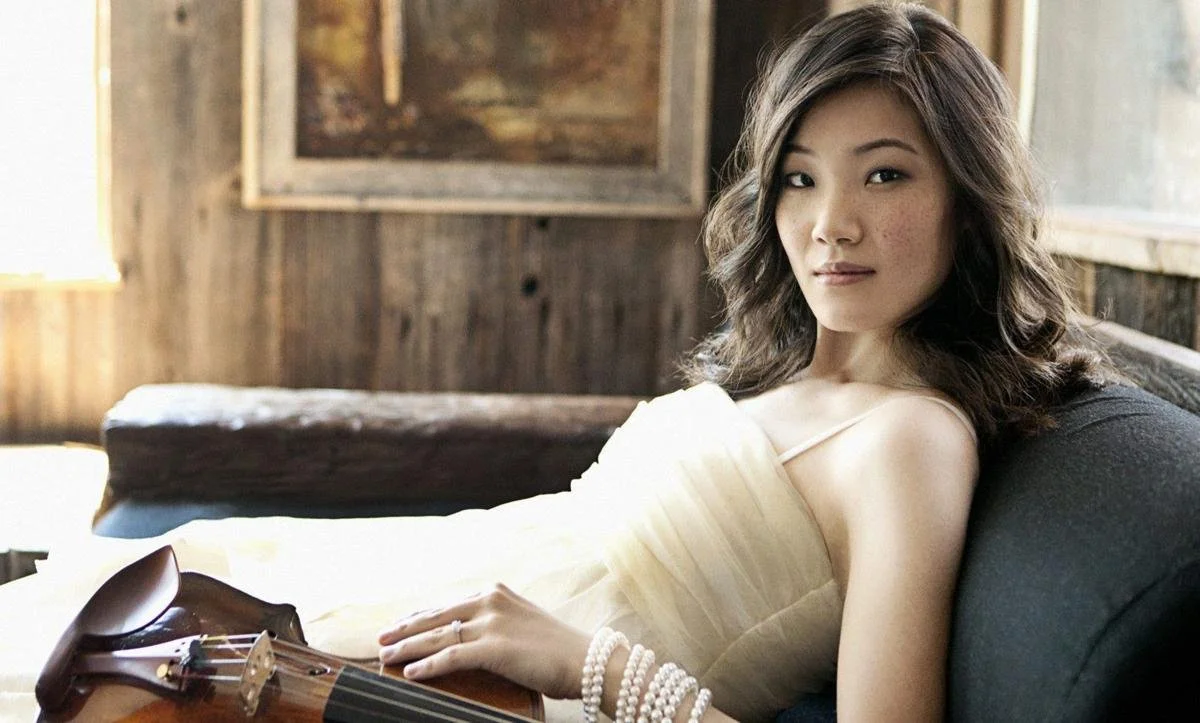
We are overjoyed to welcome international concert violinist Rachel Lee Priday, making her WWCMF debut in a profound solo program of her own design called Fluid Dynamics. Tonight, oceanography and music meet in the land of Many Waters.

Though we are about 300 miles from the Pacific Ocean, there is precedent for this kind of briny experience. One need only belly up to the bar at Brasserie Four in downtown Walla Walla for a plate of perfectly chilled raw Pacific oysters to get in the mood… the mood for an immersive musical and aquatic experience.

Rachel was moved by the work of her colleague at the University of Washington Dr. Georgy Manucharyan, Associate Professor of Oceanography. In response to imagery from his work such as rainbow-refracting surface tension patterns on underwater bubbles, she curated a one-hour program of extraordinary works for violin by living composers and paired them with visual effects generated from Dr. Manucharyan’s research. The result is Fluid Dynamics. Echolocate your way to Foundry Vineyards and prepare for a deep dive. Come on in, the water’s just fine!


Fluid Dynamics


Leilehua Lanzilotti  (b. 1983)

ko'u inoa (2017)


Timo Andres (b. 1985)

Three Suns (2018)


Gabriella Smith (b. 1991)

Entangled on a Rotating Planet (2022)


Cristina Spinei (b. 1984)

Convection Loops for Violin and Loop Pedal (2022)


Leilehua Lanzilotti  (b. 1983)

to speak in a forgotten language (2022)

I.

II.

III.


Paul Wiancko (b. 1983)

Waterworks (2023)


Christopher Cerrone (b. 1984)

Sonata for Violin and Piano (2015)

I. Fast and focused

II. Still and spacious

III. Dramatic, violent, rhythmic, very precise


Artists: Rachel Lee Priday, violin; Xiaohui Yang, piano


View Event →
Festival Series: Making a Scene
Jun
20

Festival Series: Making a Scene

Eugène Ysaÿe (1858–1931)

Sonata for Two Violins in A minor (1915), Op. post. (1967)

I. Poco lento, maestoso - Allegro fermo

II. Allegretto poco lento

III. Finale. Allegro vivo e con fuoco


— Intermission —


Tristan Murail (b. 1947) / Robert Schumann (1810–1856)

Une relecture des Scènes d'enfants (Kinderszenen) Op. 15 de Robert Schumann (2019)

“A Rereading of Scenes From Childhood (Kinderszenen) Op. 15 by Robert Schumann” (2019)

for flute, cello and piano

I. Von fremden Ländern und Menschen— “Of Foreign Lands and Peoples”

II. Kuriose Geschichte— “A Curious Story”

III. Hasche-Mann— “Blind Man's Buff”

IV. Bittendes Kind— “Pleading Child”

V. Glückes genug— “Happy Enough”

VI. Wichtige Begebenheit— “An Important Event”

VII. Träumerei— “Dreaming”

VIII. Am Kamin— “At the Fireside”

IX. Ritter vom Steckenpferd— “Knight of the Hobbyhorse”

X. Fast zu ernst— “Almost Too Serious”

XI. Fürchtenmachen— “Frightening”

XII. Kind im Einschlummern— “Child Falling Asleep”

Please note: We might have a number of tickets for sale at the door starting 15 minutes before the show.

Grounds open at 5 PM. Echolands welcomes you to enjoy an alfresco meal by The Mill before the performance. Reserve your spot here.

Doors open one hour before the performance.

XIII. Der Dichter spricht— “The Poet Speaks”


Benjamin Britten (1913–1976)

Gemini Variations, Op. 73 (1965)

for Piano 4-hands, violin and flute

Twelve Variations & Fugue on an Epigram of Zoltán Kodály

I. Theme

II. Variations 1-12

III. Fugue


Artists: Tracy Doyle, flute; Christina McGann, violin; Stephen Miahky, violin; Ronaldo Rolim, piano; Maria Sampen, violin; Xiaohui Yang, piano; Andrea Yun, cello


View Event →
Tasting Music: Ysaÿe Sonata in A minor for two violins, Op. post
Jun
19

Tasting Music: Ysaÿe Sonata in A minor for two violins, Op. post

Eugène Ysaÿe (1858–1931)

Sonata for Two Violins in A minor (1915), Op. post.

I. Poco lento, maestoso - Allegro fermo

II. Allegretto poco lento

III. Finale. Allegro vivo e con fuoco


Queen Elisabeth was something else. No, not Queen Elizabeth II of the United Kingdom. The Belgian one, as in, the prestigious Queen Elisabeth competition. Belgian Queen Elisabeth was not only a great patron of the arts whose impact extends to this very Festival (frequent WWCMF Artist, Henry Kramer, is a competition laureate), but also a humanitarian who pursued the cause of social welfare with unparalleled zeal. She also made time to practice the violin, which is where her tale intersects with WWCMF’s Tasting Music III.

In 1915, Queen Elisabeth commissioned Belgian violin virtuoso Eugène Ysaÿe for a sonata for two violins. She was to learn and perform the new piece with Ysaÿe himself. Ysaÿe was a musician who approached composition through the lens of his own prodigious violin technique. His Six Sonatas for Solo Violin rank among the most technically difficult pieces in existence for the instrument. His intimate knowledge of the violin opened up new possibilities and pathways for both devilish technical display and deep emotional expression.

The question is, did he temper his tendency toward violinistic fireworks to give the Queen a fair shake at playing it? The answer is, no, he did not. Both violinists are tested with the same dizzying array of challenges as any of the Six Solo Sonatas, only more difficult due to the demands of intricate coordination between two players. Queen Elisabeth was content to bear the work’s dedication, and there was no evidence she bore any resentment toward Ysaÿe’s audacity. She wasn’t that kind of Queen. That is to say, his head remained attached to his shoulders. In truth, Ysaÿe was Elizabeth’s violin teacher. After his passing in 1931, his widow Jeanette Dincin Ysaÿe continued to teach the Queen.

Which brings us to tonight. Prepare to be wowed. From a single trembling line to a veritable wall of sound, the Sonata for Two Violins in A minor is certainly fit for royalty. Solo becomes Duo. Duo becomes Trio. Trio becomes Quartet. Such is the complexity and the sheer labor of love embodied in this music. WWCMF Royalty, violinists Christina McGann and Stephen Miahky, make a triumphant entrance to the production facility and barrel room of Seven Hills Winery.


Artists: Timothy Christie, moderator; Christina McGann, violin; Stephen Miahky, violin


View Event →
Portrait of an Artist: Andrea Yun, cello
Jun
18

Portrait of an Artist: Andrea Yun, cello

Cellist Andrea Yun makes her WWCMF debut. With degrees in mathematics, education and performance, Andrea approaches music from all angles. She also loves roller skating and swing dancing. At home in the opera pit, onstage in a period baroque ensemble or out in front of a symphony orchestra as a concert soloist, Andrea has done it all. And there’s more. There are teachers all over the country who studied teaching with Andrea. She was named the state of Michigan’s Teacher of the Year by the American String Teacher’s Association in 2020.

As I write this concert note, Andrea is on tour in Australia. Come to think of it, Australia has a Walla Walla, too. In the indigenous Wiradjuri language, it means “place of many rocks.” We will definitely ask Andrea if she managed the unprecedented Quadruple-Walla by visiting the Wallas of both hemispheres.


Artists: Xiaohui Yang, piano; Andrea Yun, cello


Works included:

  • Reena Esmail — Varsha

  • Traditional, arranged by Danika Lorén — Arirang

  • Gabriel Fauré — Morceau de concours

  • Heitor Villa-Lobos — O Canto do Cisne Negro

  • Andrea Casarrubios — Sonia for cello and piano

  • Sergei Rachmaninoff — Sonata for Cello and Piano, Op. 19 (first movement)


View Event →
Special Event: Collage Night Two
Jun
16

Special Event: Collage Night Two

WWCMF returns to Abeja for our annual tradition, Collage. If you’ve never attended, you’re in for a treat. If you’ve attended every one since the very first out at jimgermanbar in 2010, you’re still in for a treat. A Pierrot ensemble, the prevailing winds and some Metallica. There are Easter Eggs galore and once you think you have it figured out, the person seated next to you starts playing a violin you didn’t notice when you sat down. You’re literally IN the performance. Collage is an immersive musical roller coaster. Enjoy the ride!


Lighting Design: Connie Yun and Jay McAleer

Artists: Winston Choi, piano; Andy Clausen, trombone; Charlotte Christie, Voice: Timothy Christie, viola; Tracy Doyle, flute; Katri Ervamaa, cello; Jennifer Goltz-Taylor; Addison Maye-Saxon, trombone; Riley Mulherkar, trumpet; Philip Payton, violin; Chloe Rowlands, trumpet; Maria Sampen, violin; The Westerlies; MingHuan Xu, violin; Andrea Yun, cello


View Event →
Special Event: Collage Night One
Jun
15

Special Event: Collage Night One


WWCMF returns to Abeja for our annual tradition, Collage. If you’ve never attended, you’re in for a treat. If you’ve attended every one since the very first out at jimgermanbar in 2010, you’re still in for a treat. A Pierrot ensemble, the prevailing winds and some Metallica. There are Easter Eggs galore and once you think you have it figured out, the person seated next to you starts playing a violin you didn’t notice when you sat down. You’re literally IN the performance. Collage is an immersive musical roller coaster. Enjoy the ride!


Lighting Design: Connie Yun and Jay McAleer

Artists: Winston Choi, piano; Andy Clausen, trombone; Charlotte Christie, Voice: Timothy Christie, viola; Tracy Doyle, flute; Katri Ervamaa, cello; Jennifer Goltz-Taylor; Addison Maye-Saxon, trombone; Riley Mulherkar, trumpet; Philip Payton, violin; Chloe Rowlands, trumpet; Maria Sampen, violin; The Westerlies; MingHuan Xu, violin; Andrea Yun, cello


View Event →
Special Event: The Westerlies
Jun
14

Special Event: The Westerlies

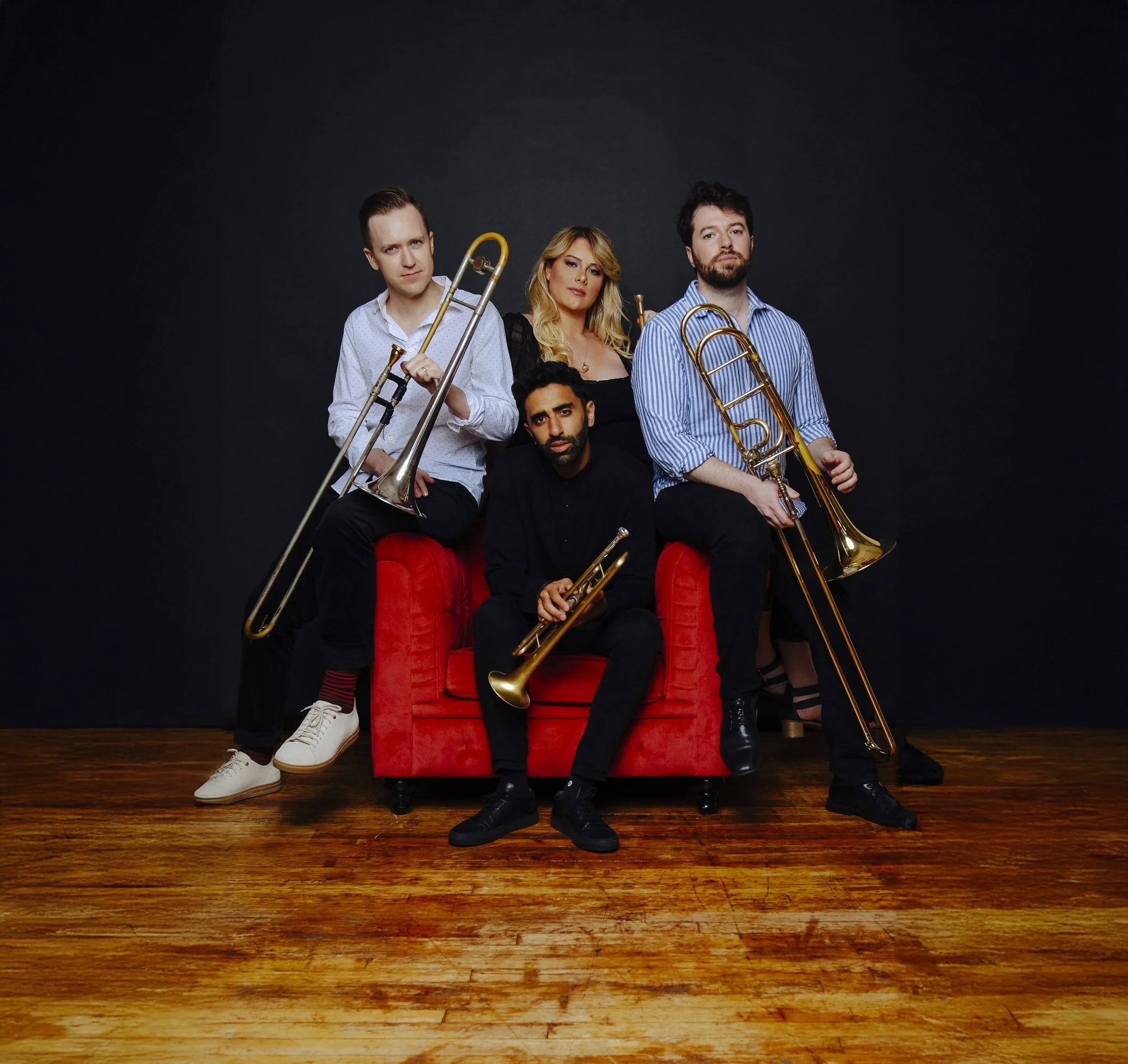
From Carnegie Hall to Coachella, the GRAMMY-nominated Westerlies have upended presumptions of the brass tradition to create music that is “folk-like and composerly, lovely and intellectually rigorous” (NPR Music). Comprising Riley Mulherkar and Chloe Rowlands on trumpet and Andy Clausen and Addison Maye-Saxon on trombone, the ensemble has relentlessly composed, arranged, adapted, recorded, and toured over the past fifteen years with the precision of a string quartet, the audacity of a rock band, and the charm of a family sing-along.

The Westerlies are making their second WWCMF appearance. The first was the 2017 Winter Festival. Many of you were there. More than a foot of snow fell on the day of their travel to Walla Walla from New York City. Flight after flight of the ALW leg from Seattle was canceled that day until a miracle, the 10 PM flight managed to land at about 1 AM. Your author picked up the group at the airport and accompanied them to their digs, a wonderful ranch on the outskirts of town. The wonderful ranch proved as distant as New York City itself, located at the end of a half-mile driveway that at 1:15 AM remained undisturbed, unplowed, invisible, and impassible in the sensible sedan rented by WWCMF for The Westerlies. In true Walla Walla fashion, a phone tree and a neighbor with a truck later, the driveway was plowed and the four exhausted musicians were soundly asleep by 2 AM, ready to astound the Festival audience with their gorgeous and generous musicianship.

Here we are about a decade later, The Westerlies poised to take Walla Walla by storm in warmer times. Here’s hoping for easier travel! We return to The Walls Winery for a special performance that will leave you awestruck.


Artists: Andy Clausen, trombone; Addison Maye-Saxon, trombone; Riley Mulherkar, trumpet; Chloe Rowlands, trumpet


Works Included:

  • Andy Clausen — A Wonderful Day

  • Andy Clausen — The Royal Band / Soft Music

  • Andy Clausen & Riley Mulherkar — Fight On

  • Aoife O’Donovan — B61

  • Aoife O’Donovan — Saman

  • Bill Frisell — Egg Radio

  • Caroline Shaw — Entr’acte

  • Conrad Tao — Paradise

  • John Prine — Way Back Then

  • Nico Muhly — Saro


View Event →
Festival Series: By Moonlight
Jun
13

Festival Series: By Moonlight

Arnold Schoenberg (1874–1951)

Pierrot lunaire, Op. 21 (1912)

for piano, violin, flute, clarinet, cello and soprano

Part One

I. Mondestrunken— “Drunk with Moonlight”

II. Colombine

III. Der Dandy— “The Dandy”

IV. Eine blasse Wäscherin— “A Pallid Washerwoman”

V. Valse de Chopin

VI. Madonna

VII. Der kranke Mond— “The Sick Moon”

Part Two

VIII. Nacht (Passacaglia)— “Night”

IX. Gebet an Pierrot— “Prayer to Pierrot”

X. Raub— “Theft”

XI. Rote Messe— “Red Mass”

XII. Galgenlied— “Gallows Song”

XIII Enthauptung— “Beheading”

XIV. Die Kreuze— “The Crosses”

Part Three

XV. Heimweh— “Homesickness”

XVI. Gemeinheit— “Foul Play”

XVII. Parodie— “Parody”

XVIII. Der Mondfleck— “The Moon Spot”

XIX. Serenade

XX. Heimfahrt (Barcarole)— “Journey Home”

XXI. O Alter Duft— “O Ancient Fragrance”

— Intermission —

Béla Bartók (1881–1945)

Piano Quintet in C, Sz. 23 (1904)

I. Andante

II. Vivace (Scherzando)

III. Adagio –

IV. Poco a poco più vivace


Artists: Winston Choi, piano; Timothy Christie, viola; Tracy Doyle, flute; Katri Ervamaa, cello; Jennifer Goltz-Taylor, voice; Norbert Lewandowski, cello; Rane Moore, clarinet; Philip Payton, violin; Maria Sampen, violin; MingHuan Xu, violin


View Event →
Tasting Music: Bartók Piano Quintet in C
Jun
12

Tasting Music: Bartók Piano Quintet in C

Béla Bartók (1881–1945)

Piano Quintet in C, Sz. 23 (1904)

I. Andante

II. Vivace (Scherzando)

III. Adagio –

IV. Poco a poco più vivace


Béla Bartók is a composer of contrasts. He is also the composer of Contrasts, a work for piano, clarinet and violin heard at such Festivals as this one waaaay back in 2009. (It is known that here at WWCMF we don’t like to repeat pieces all that frequently, so rich and varied is our repertoire. Maybe after 17 or 18 years it’s high time to revisit the piece!) Immediate digression aside, contrast defines Bartòk’s legacy. He was a collector and curator of ancient folk music passed down by generations through oral tradition and simultaneously an innovator who personified the spirit of experimentation associated with the 20th century avant-garde. A prodigy, Bartók gave his first public performance at the age of 11 and fittingly included his very first composition, a solo piano work titled “The Course of the Danube.”

The ‘course of the Danube’ serves as quite the metaphor for the early Piano Quintet in C. Composed in Germany in 1903 – 1904, premiered in Vienna, Austria and redolent of melodies and rhythms from Slovakia, Hungary and Romania, the Piano Quintet winds its way through Europe like the Danube itself in an ever-shifting swirl of Johannes Brahms, Richard Strauss and something new, hints of folk modernism and a premonition of the Night Music style that would haunt Bartók’s mature compositions like Music for Strings, Percussion and Celeste, Concerto for Orchestra and Third Piano Concerto, masterpieces all. Join us as we go to the source: C major, no sharps or flats, the white keys on the piano. At least, it ends that way. Along the way we’ll explore all the black keys, too, and even tune our string instruments down a half-step midstream to get that authentic Hungarian folk sound. In addition to great music, Hungary is also known for its variety of peppers and distinctive wines. Thus, we will feel right at home at Pepper Bridge Winery, a WWCMF favorite these many years.


Artists: Winston Choi, piano; Timothy Christie, viola; Norbert Lewandowski; cello; Philip Payton, violin; MingHuan Xu, violin


View Event →
Portrait of an Artist: Tracy Doyle, Flute
Jun
11

Portrait of an Artist: Tracy Doyle, Flute

WWCMF welcomes back flutist Tracy Doyle for her third WWCMF appearance. It’s high time we got to know her better. She is both Professor of Flute and Director of the School of Music at the University of Puget Sound in Tacoma, WA. If you are doing the math as you go, you have just figured out that Tracy is therefore your author’s boss. It should make for an interesting conversation!

Tracy is an artist of tremendous curiosity and range. Her program summons the immortal strains of Pan (the OG flutist), winds through the Indian Subcontinent, finds time for a quintessentially American meditation on Summer, pauses in the British Isles and eventually finds its way (back) to the flutiest place on earth, France. There is music by Claude Debussy, Reena Esmail, Ian Clarke, William Grant Still, Georges Hüe and Jacques Ibert. And by the way, is it flutist or flautist? You can expect both clarity on the subject and a phenomenal concert.


Artists: Winston Choi, piano; Timothy Christie, Viola; Tracy Doyle, flute; MingHuan Xu, violin


Works Included:

  • Claude Debussy — Syrinx

  • Georges Hüe — Fantaisie

  • Ian Clarke — Hypnosis

  • Jacques Ibert — Deux Interludes, movement II

  • Reena Esmail — Nadiya

  • William Grant Still — Summerland


View Event →
Festival Series: Salon Style
Jun
7

Festival Series: Salon Style

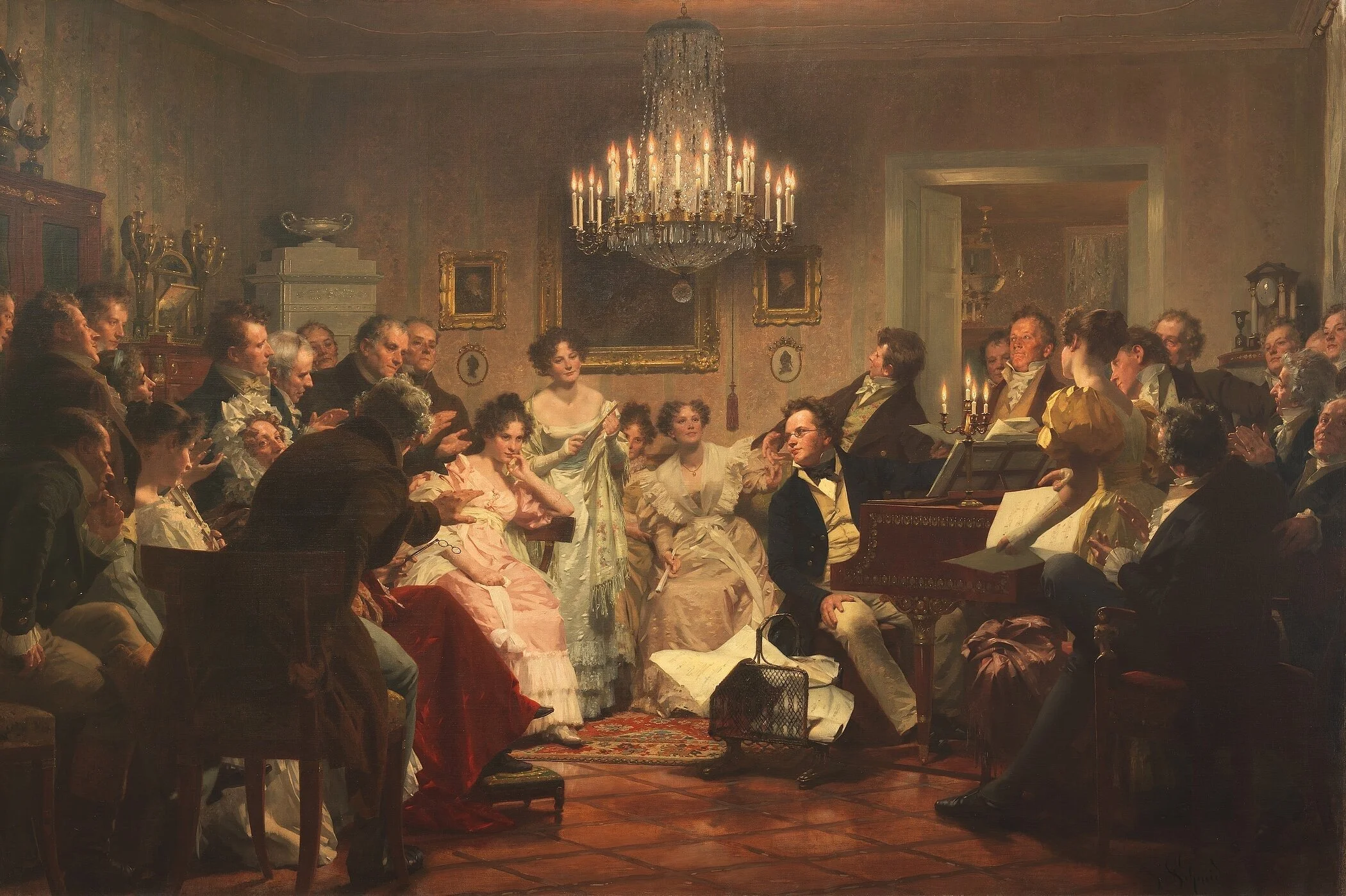
Welcome to the social event of 1897, WWCMF’s musical Salon. Perhaps you remember chamber music pops from the June 2025 Festival. This is that, but through the lens of a classic 19th century salon. Salon music typically consists of short character pieces that emphasize charm, style and sentiment. Therefore, our program features music by Elgar, Kreisler, Fauré, Saint-Saëns, Mendelssohn, Shostakovich and more. Salon style is best experienced at close range. Audience seating onstage will be available on a first-come, first-served basis for those who want a truly authentic experience.

All selections will be announced from the Salon

— Intermission —

Wolfgang Amadeus Mozart (1756–1791)

Piano Quartet No. 2 in E Flat, K. 493 (1786)

I. Allegro

II. Larghetto

III. Allegretto


Works Included:

  • Edward Elgar — Salut d’Amour, Op. 12

  • Fritz Kreisler — Liebesleid

  • Fritz Kreisler — Liebesfreud

  • Camille Saint-Saëns — Allegro appassionato, Op. 43

  • Camille Saint-Saëns — The Swan

  • Erik Satie — Gymnopédie No. 1

  • Franz Schubert — 4 Impromptus, D.935 (Op. 142)

  • Dmitri Shostakovich — Romance


Artists: Timothy Christie, viola; Oksana Ejokina, piano; Norbert Lewandowski, cello; Maria Sampen, violin


View Event →
Tasting Music: Mozart Piano Quartet in E Flat, K. 493
Jun
5

Tasting Music: Mozart Piano Quartet in E Flat, K. 493

Wolfgang Amadeus Mozart (1756–1791)

Piano Quartet No. 2 in E Flat, K. 493 (1786)

I. Allegro

II. Larghetto

III. Allegretto


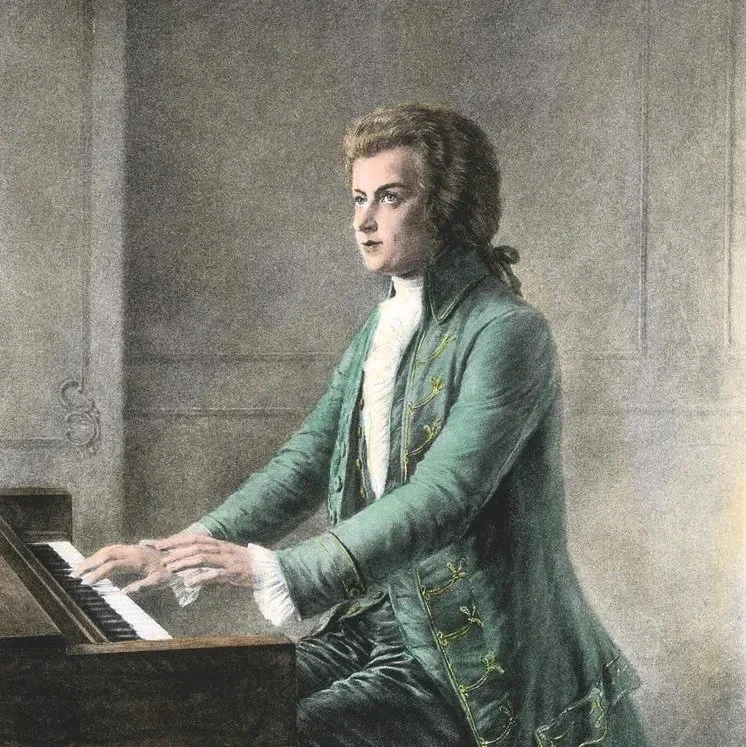
In June 2025, WWCMF celebrated the 240th anniversary of Mozart’s Piano Quartet in G minor, K. 479 (1785), a stormy affair that eventually finds its way to a joyful conclusion. Therefore, in an uncontroversial example of “equal time,” we now celebrate the 240th anniversary of the G minor’s younger sibling, the Piano Quartet in E flat, K. 493 (1786). Mozart completed K. 493 a few weeks after putting his John Hancock on a little number called The Marriage of Figaro (K. 492!). Therefore, we can be confident that Mozart was squarely in the full bloom of artistic maturity, even as he faced polite society with conspicuous immaturity. We hear the influence of Mozart’s famous opera just five bars into the quartet, echoes of Figaro teasing young Cherubino in the Act I aria, Non più andrai farfallone amoroso (“You shall go no more, lustful butterfly, Day and night flitting to and fro; Disturbing ladies in their sleep…”). No more chasing girls. Time to buckle down and write a piano quartet.

Before the G minor, there had never been such a thing as a piano quartet. The piano trio (piano, violin, and cello) was a well established form and duly considered a beautiful and fertile instrumental combination. How to make this successful combo even more compelling? Elementary. If you want to dial beauty, excitement and substance up to ’11,’ just add a viola. Hence, the piano quartet was born.

Only, “not so fast, my friend,” said Mozart’s publisher, Franz Anton Hoffmeister. Hoffmeister had commissioned three such works from Mozart only to pull the plug early on. He declared the G minor too difficult to play. Sales, he believed, were soft due to the technical demands placed upon the pianist in particular. Indeed, both of Mozart’s Piano Quartets require virtuoso players. We’re in luck that Mozart decided to compose K. 493 anyway. And we’re in luck that virtuoso pianist Oksana Ejokina returns to WWCMF to carry the day along with Festival mainstays Maria Sampen (violin), Norbert Lewandowski (cello) and Founder & Artistic Director, Timothy Christie (viola). Happy anniversary K. 493! 240 years old and still as fresh as the day the ink dried.


Artists: Timothy Christie, viola; Oksana Ejokina, piano; Norbert Lewandowski, cello; Maria Sampen, violin


View Event →
Portrait of an Artist: Synchrony Saxophone Quartet
Jun
4

Portrait of an Artist: Synchrony Saxophone Quartet

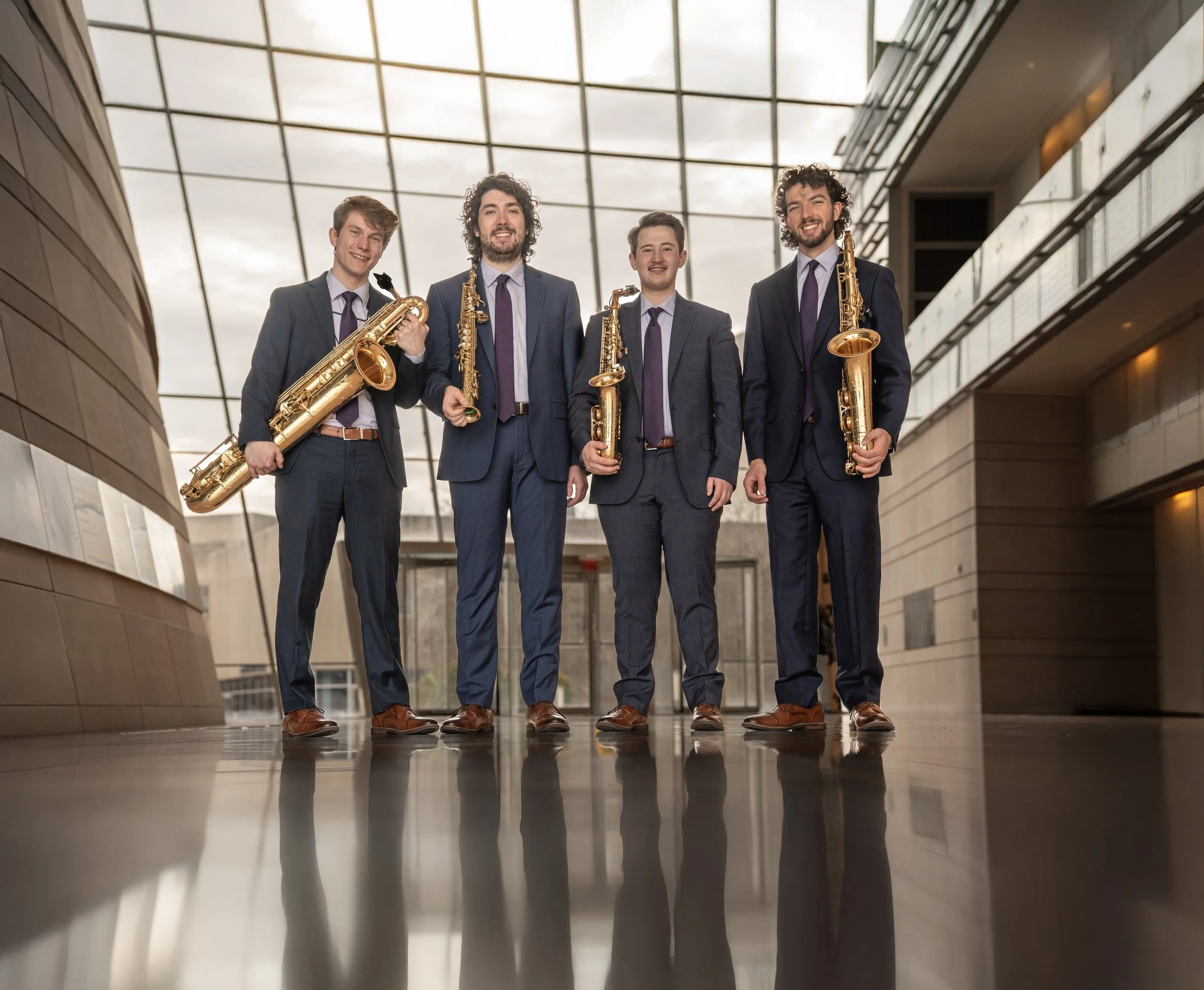
The WWCMF Emerging Artist Quartet Fellowship, now in its fifth year, welcomes Synchrony Quartet. Like past Fellows Ivalas Quartet, masso, Cerus Quartet and Poiesis Quartet, Synchrony is both active and successful on the competition circuit. Competitions are one kind of proving ground, but it is Synchrony’s community presence in their native Chicago that makes this must-see quartet WWCMF material. They maintain a residency at Clara (named for none other than Clara Schumann), a bar in the Wicker Park neighborhood of Chicago, where they test out new material and hone their craft.

In addition to their individual skill as performers, each member is also responsible for creating arrangements of classical and popular music for saxophone quartet. This hands-on approach extends the quartet repertoire and enhances a canon that inherently thrives on new music. The saxophone is a much more recent invention than, say, bowed string instruments, and its core repertoire expands in real time. Hence, Synchrony Quartet affirms that classical music is a living art form that draws breath from our time and place, a reflection and response to the world around us. WWCMF returns to longtime venue partner Foundry Vineyards to kick off the 2026 June Festival. Works include music by Astor Piazzolla, Caroline Shaw, Travis Laplante, Anton Webern and Manuel de Falla.


Artists: Matthew Johnson, tenor saxophone; Haven Kahn, baritone saxophone; Philip Kleutgens, soprano saxophone; Hudson O’Reilly, alto saxophone


Works Included:

  • Astor Piazzolla — Tango: Zero Hour (I. Milonga del Ángel; II. Michelangelo ’70)

  • Caroline Shaw — Entr’acte

  • Travis Laplante — Running in a Field of Flowers

  • Anton Webern — Langsamer Satz

  • Rune Tonsgaard Sørensen — Shine You No More

  • Chris Thile, Stuart Duncan & Edgar Meyer — Attaboy (from The Goat Rodeo Sessions)


View Event →
Special Event: Vital Quartet
Mar
12

Special Event: Vital Quartet

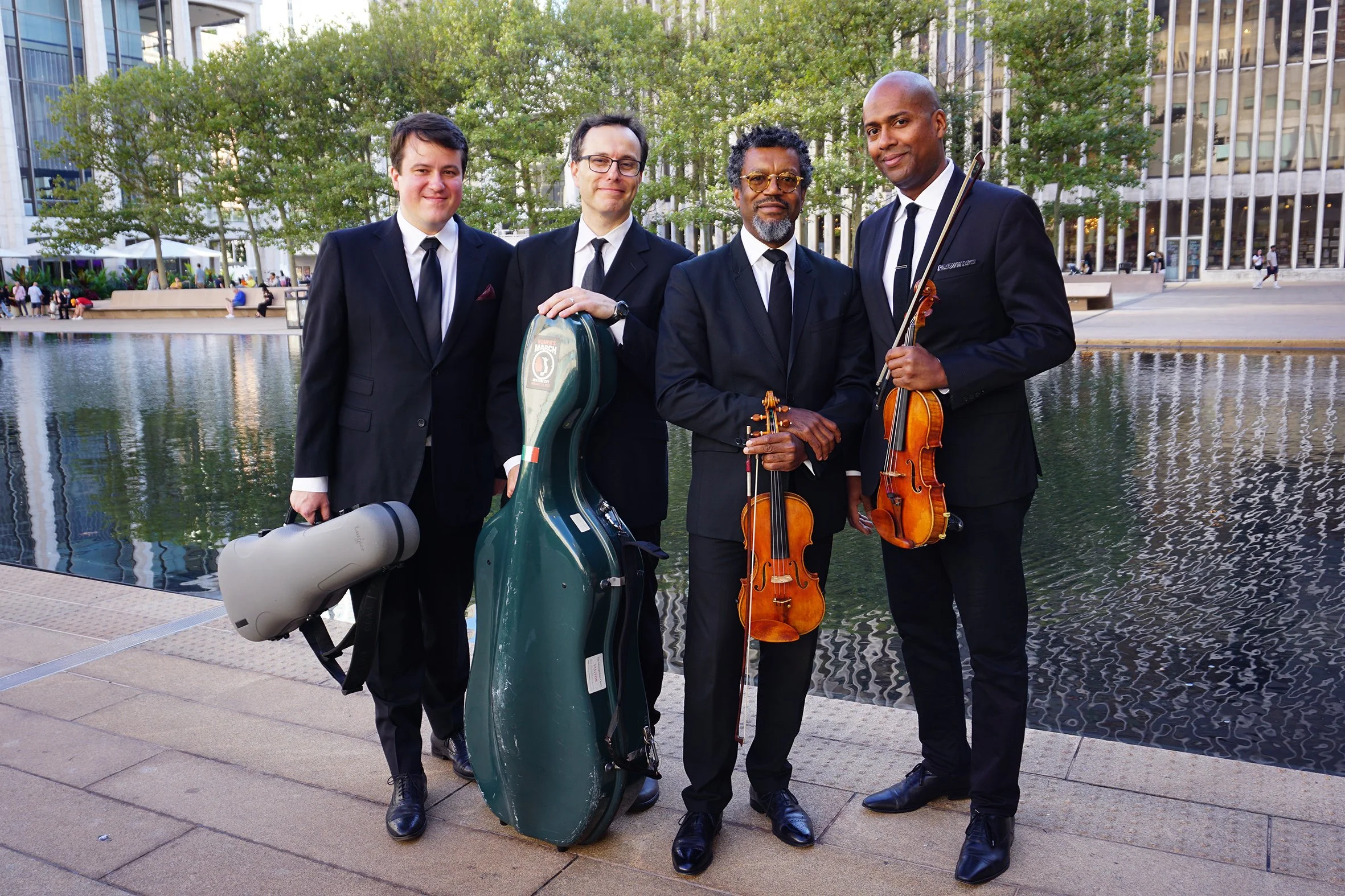
New York-based Vital Quartet returns to Walla Walla for the 25/26 Season’s second Satellite Series performance. The program includes lyric masterpieces by William Grant Still and George Walker and a special cameo by WWCMF Founder and Artistic Director Timothy Christie. Vital Quartet are known for their insightful programming and knack for connecting with audiences from all walks of life. This special event marks the third WWCMF appearance by Vital Quartet, and the 20th by leader and violinist Philip Payton. House of Smith provides the perfect stage.

Doors open at 6 PM.


All works will be announced from the stage.

A setlist will be published here and on social media after the performance.


Artists: Vital Quartet: William Frampton, viola; Alberto Parrini, cello; Philip Payton, violin; Orlando Wells, violin


View Event →
Festival Series: Britten & Sybarite5
Jan
18

Festival Series: Britten & Sybarite5

Benjamin Britten (1913-1976)

Simple Symphony, Op. 4 (1934)

I. Boisterous Bourrée: Allegro ritmico

II. Playful Pizzicato: Presto possibile pizzicato sempre – Molto pesante

III. Sentimental Saraband: Poco lento e pesante

IV. Frolicsome Finale: Prestissimo con fuoco


Intermission


Sybarite5: Music from their recent albums and concert tours

All works will be announced from the stage.

A setlist will be published here and on social media after the performance.


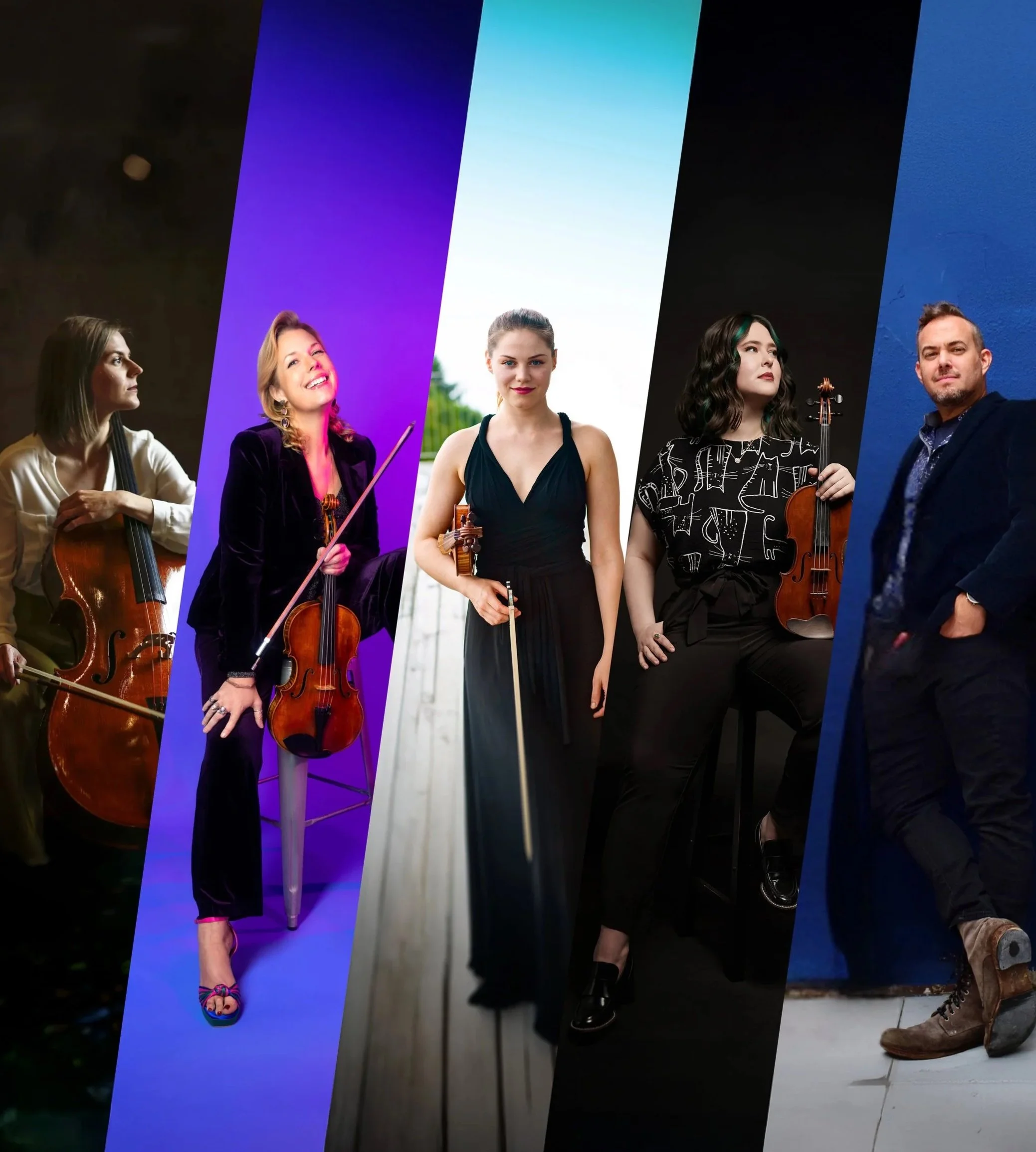
Artists: Natasha Bazhanov, violin; Timothy Christie, viola; Artur Girsky, violin; John Popham, cello; Sybarite5: Amanda Gookin, cello; Ariel Horowitz, violin; Holly Nelson, violin; Louis Levitt, bass; Jessica Meyer, viola.


View Event →
Tasting Music: Beethoven, Op. 59, No. 2
Jan
17

Tasting Music: Beethoven, Op. 59, No. 2

Are you someone who likes to be in the middle of things? This is the performance for you. Beethoven’s Op. 59 is made up of three quartets. Tonight, we present the middle of the three. Composed in 1808, squarely in the middle of Beethoven’s so called Middle Period, we find ourselves at not only the center of the Beethoven universe, but the actual Universe, capital ‘U.’ Beethoven’s student and friend Carl Czerny revealed that Beethoven conceived the Adagio movement of tonight’s quartet while contemplating the heavens, leading to the familiar nickname for this work, “Starry Night.”

This part of Beethoven’s life, sometimes also referred to as the “Heroic Period,” is loosely framed by two unsent letters, both discovered posthumously. The first (1802), known as the Heiligenstadt Testament, was intended for his brothers. Beethoven laments his poor health, increasing deafness and contemplates suicide before affirming his will to live in order to pursue a higher artistic calling, to transcend earthly discomfort in favor of musical perfection. The second unsent letter (1812) is known by its intended recipient, the Immortal Beloved. Scholars and romantics can only speculate to whom the letter was written.

The period “between the letters” is full of greatest hits. For example, we would never have the disco anthem, A Fifth of Beethoven without the Middle Period; nor the “Emperor” Piano Concerto, and thus Bernstein’s Westside Story. (In fairness, Lenny also borrowed from Beethoven’s Late Period for Westside Story.) The middle period saw 6 Symphonies, 5 string quartets, an opera (Fidelio, Beethoven’s only work in the form and the secret password in Stanley Kubrick’s Eyes Wide Shut) and iconic piano works like the Appassionata and Waldstein Sonatas. Busy, busy, busy, with an emphasis on the middle of those three “busies.” Join us at Foundry Vineyards for this heavenly quartet. Join us at Foundry Vineyards for this heavenly quartet.

Breaking with Festival tradition, this work will not appear on the Festival Series Performance — it’s one night only. Don’t miss out!

Doors open at 5 PM.


Ludwig van Beethoven (1770-1827)

String Quartet in E minor, Op. 59, No. 2 (1808)

I. Allegro

II. Molto adagio

III. Allegretto

IV. Finale. Presto


Artists: Girsky String Quartet: Natasha Bazhanov, violin; Timothy Christie, viola/commentary; Artur Girsky, violin; John Popham, cello


View Event →
Special Event: Sybarite5
Jan
16

Special Event: Sybarite5

WWCMF welcomes back OG Winter guest artists, Sybarite5, returning to WWCMF for the first time since 2013. We have some serious catching up to do. Equal parts passion, grit, and musical ecstasy, Sybarite5 is an intoxicating cocktail of genre-breaking artistry expressed through the virtuosity of violinists Ariel Horowitz & Holly Nelson; violist and composer Jessica Meyer; cellist Amanda Gookin; and double bassist Louis Levitt. It’s the first ensemble of its kind to win the prestigious Concert Artists Guild competition, and the group is constantly evolving, defying categorization, and keeping audiences on their toes. Sybarite5 takes listeners on a musical journey of staggering breadth and depth with new works by living composers, as well as the group’s favorite selections from Radiohead, Coltrane, Komitas, Piazzolla, and Pete Seeger... but as Strings Magazine says, “that doesn’t even begin to describe the range of their eclecticism or the depth of their repertoire.”

Tickets are limited. Don’t miss out on this Special Event that is sure to heat up this midwinter’s night!

Doors open at 6 PM.


All works will be announced from the stage.


Artists: Sybarite5: Amanda Gookin, cello; Ariel Horowitz, violin; Holly Nelson, violin; Louis Levitt, bass; Jessica Meyer, viola.


View Event →
Portrait of an Artist: Benjamin Britten
Jan
15

Portrait of an Artist: Benjamin Britten

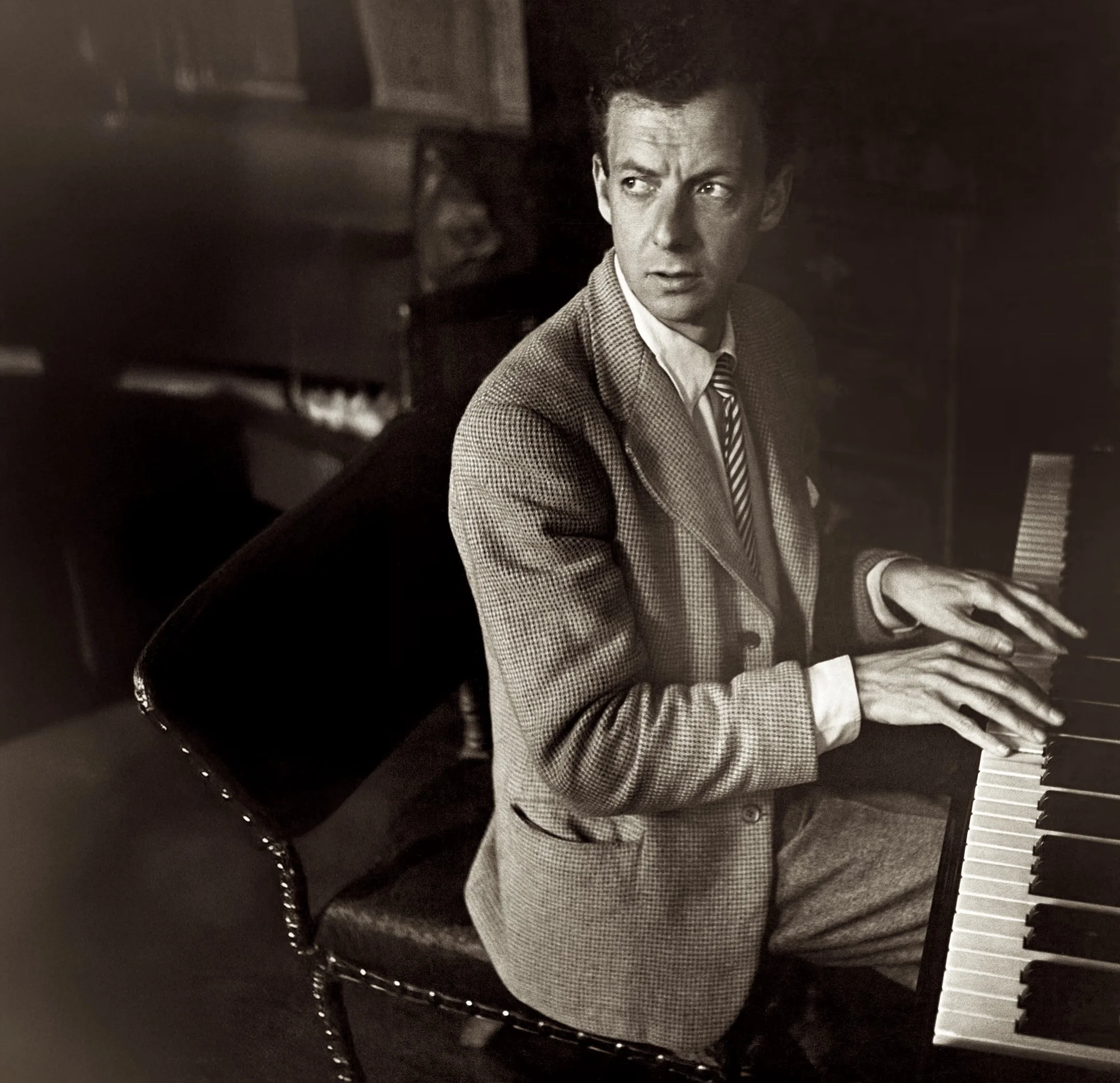
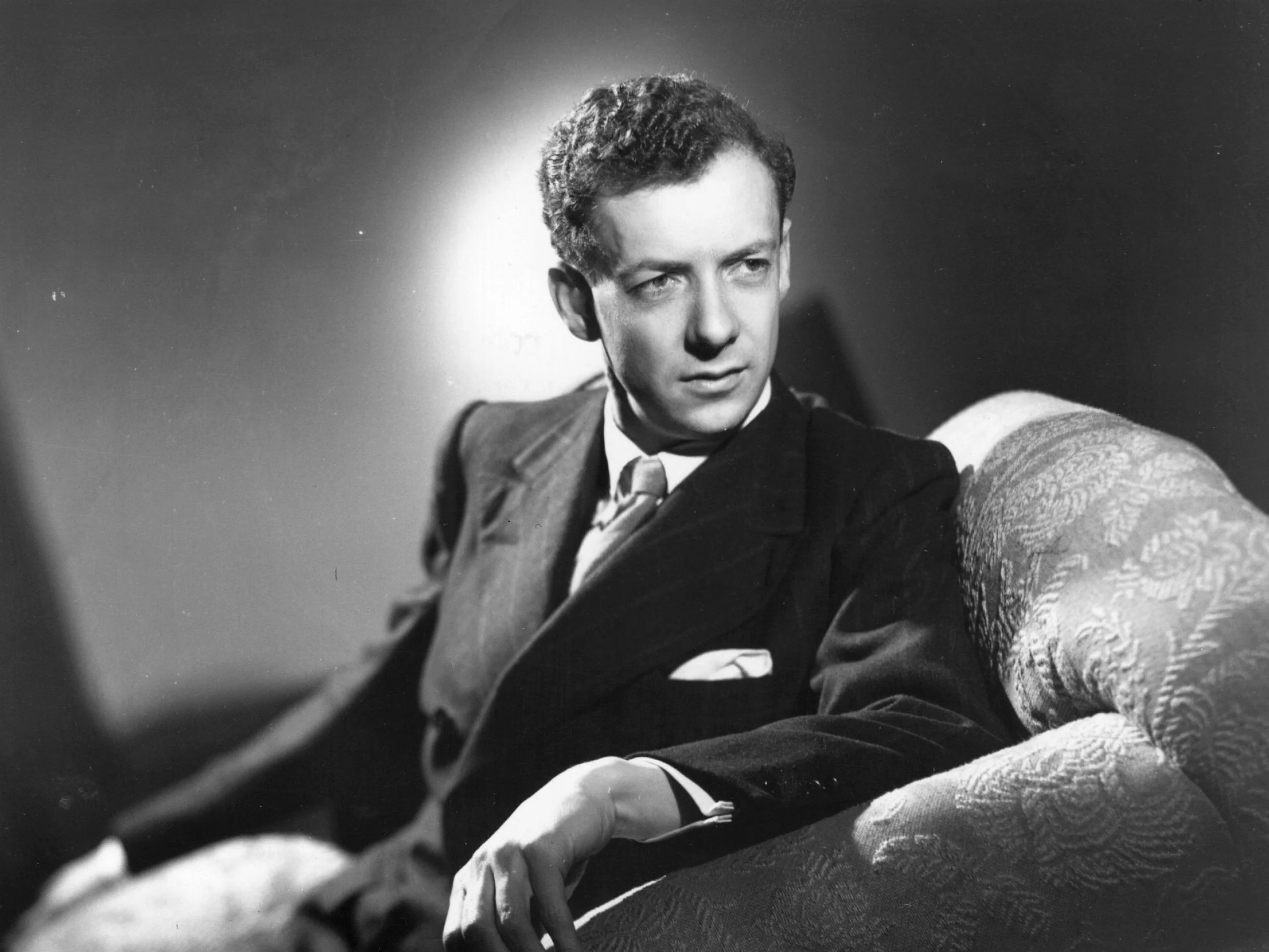
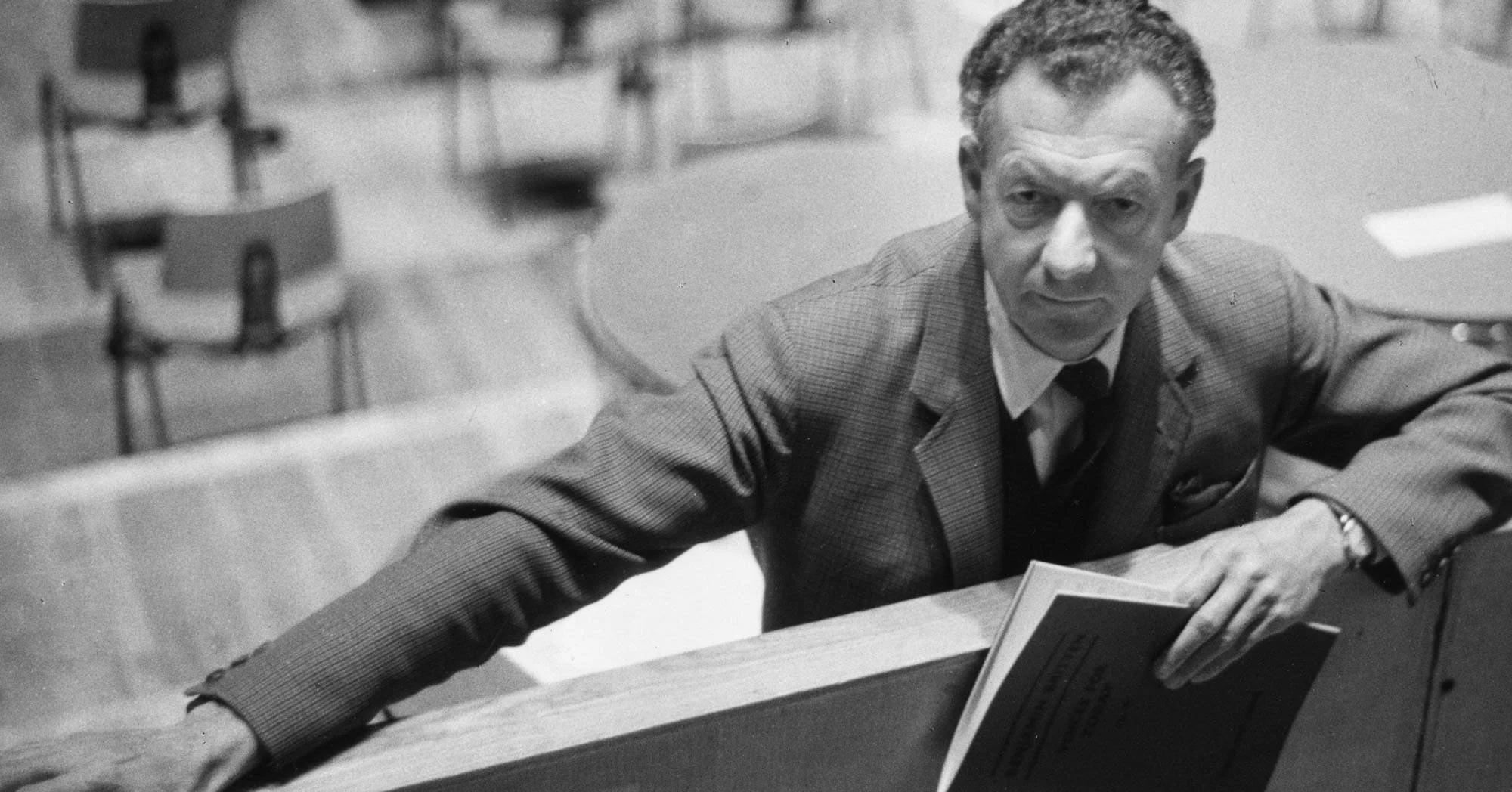
Benjamin Britten is one of the most widely celebrated composers of the 20th century. He is perhaps most closely associated with vocal music, notably 16 operas, 15 song cycles, the five Canticles for various small combinations of voices and instruments, and the War Requiem, considered by many to be his masterpiece. But Britten composed plenty of purely instrumental music in the form of symphonies, concertos, chamber music and solo works. All this ingenuity and industry has landed Britten on the 2026 WWCMF Poster!

The string quartet is a form that Britten returned to throughout his life, his first appearing in 1931 as a student at the Royal College of Music. Though it is without opus number and remained unpublished for a long time, Britten eventually worked on a revision in 1974 near the end of his life. His first published and numbered string quartet is from 1941, composed in Escondido, CA, USA on a commission from Elizabeth Sprague Coolidge. (Britten spent much of the war in the United States as a cultural ambassador of the UK.) The second published quartet is from 1945, composed in England after the war for the occasion of the 250th anniversary of the death of Britten’s undisputed favorite composer, Henry Purcell. (Things get Chacony!) His last, the String Quartet No. 3 in G major, Op. 94, was composed in 1975 between his home in Aldeburgh, UK, and Venice, Italy. It represents his final completed instrumental work, quoting liberally from his final opera, Death in Venice.

Each quartet is a work of astounding beauty, invention, and form, and together, they form a portrait of an extraordinary artist, pacifist and most conscientious of objectors. This evening’s performance consists of several movements from each of Britten’s three published string quartets in the manner of WWCMF’s Portrait of an Artist Series.

Doors open at 5 PM.


Benjamin Britten (1913-1976)

Selections from:

String Quartet No. 1 in D major, Op. 25 (1941)

String Quartet No. 2 in C major, Op. 36 (1945)

String Quartet No. 3 in G major, Op. 94 (1975)


Artists: Girsky String Quartet: Natasha Bazhanov, violin; Timothy Christie, viola/commentary; Artur Girsky, violin; John Popham, cello


View Event →
Special Event: Air Force Band of the Golden West
Jan
14

Special Event: Air Force Band of the Golden West

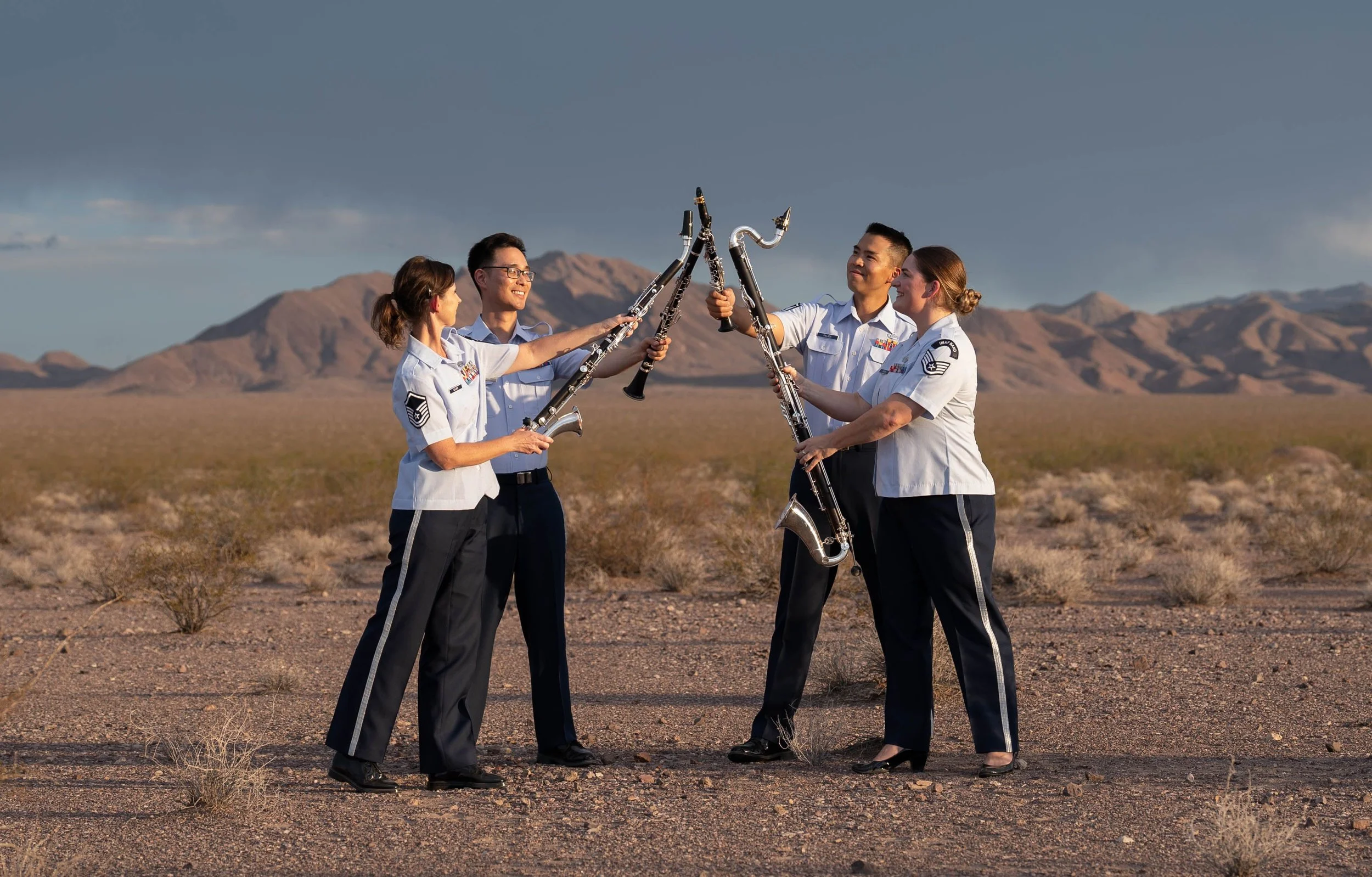
The Gesa Power House Theatre and Walla Walla Chamber Music Festival are proud to welcome the Clarinet Quartet of the U.S.A.F Band of the Golden West for this special patriotic concert.

In addition to performing for civilian communities throughout California, Washington, Oregon, Arizona, and Nevada, the band supports 13 Air Force Bases, eight Air Force Reserve Wings, and six recruiting squadrons, delivering over 250 annual performances to 1.5 million listeners. We are thrilled to be included in the 2026 tour of Eastern Washington.

The program features musical works by Leonard Bernstein, Guillermo Lago, Antonín Dvořák, Maurice Ravel, and Leroy Anderson.

The performance is free, but ticketed. Tickets are limited and are not guaranteed at the door. Claim yours now, and don’t get left out in the cold in January!

Doors open at 6 PM.


All works will be announced from the stage.


Artists: Band of the Golden West: Master Sergeant Susan Govier, clarinet; Master Sergeant Randolph Palada, clarinet; Staff Sergeant Clarissa Osborn, bass clarinet; Staff Sergeant Louis Kim, clarinet


View Event →
Special Event: Chatter
Nov
18

Special Event: Chatter

Chatter makes their WWCMF debut with music by J.S. Bach, Benjamin Britten, Mozart, Jessie Montgomery, and Paul Wiancko for violin, cello, and clarinet. Based in Santa Fe, Portland (OR), and New York City, the musicians of Chatter believe deeply in the power of chamber music to foster connection and create community. Each musician tends and curates a local series in their respective hometown. By linking these series, sharing ideas, and collaborating in performance, Chatter eschews viral meme-culture in favor of word of mouth. In fact, it is possible to have a national network just by talking to one another. And there is no place better than Walla Walla, a city that boasts perhaps the best word-of-mouth “grapevine” in the nation, to revel in the power of word of mouth.

Cellist Laura Metcalf is no stranger to WWCMF. This special performance outside the Festival’s traditional January and June Seasons marks Laura’s third time performing on the WWCMF stage. James Shields and Margot Schwartz join the Festival for the first time. WWCMF is delighted to return to the downtown locale of so many past January and June collaborations, House of Smith Wines.

Doors open at 6 PM.


All works will be announced from the stage.


Artists: Laura Metcalf, cello; Margot Schwartz, violin; James Shields, clarinet


View Event →
Special Event: Vivaldi’s Four Seasons
Aug
6

Special Event: Vivaldi’s Four Seasons

Antonio Vivaldi’s Four Seasons — four violin concertos, each conceived around a distinctive seasonal sonnet — are among the most famous pieces of Western Classical Music ever penned. As purely instrumental works, these pieces are an early example of programmatic music, or music that tells a story.

Tonight, the stories are told by four violinists, Artur Girsky, Natasha Bazhanov, Maria Sampen and Timothy Christie. Each will take a solo turn, and each will play within the accompanying quartet, resulting in violas and violins flying in all directions like the famous North Wind that brings the whole cycle to a close.

Doors open at 5:30 PM.


Antonio Vivaldi (1678-1741)

Concerto No. 1 in E major, Op. 8, RV 269, La primavera (Spring)

I. Allegro

II. Largo e pianissimo sempre

III. Allegro pastorale

Concerto No. 2 in G minor, Op. 8, RV 315, L'estate (Summer)

I. Allegro non molto

II. Adagio e piano – Presto e forte

III. Presto


Intermission


Concerto No. 3 in F major, Op. 8, RV 293, L'autunno (Autumn)

I. Allegro

II. Adagio molto

III. Allegro

Concerto No. 4 in F minor, Op. 8, RV 297, L'inverno (Winter)

I. Allegro non molto

II. Largo

III. Allegro


Artists: Natasha Bazhanov, violin; Timothy Christie, violin/viola; Artur Girsky, violin; Rowena Hammill, cello; Maria Sampen, violin/viola

View Event →
Festival Series 4: Quince Vocal Ensemble & Courtney Bryan
Jun
28

Festival Series 4: Quince Vocal Ensemble & Courtney Bryan

Courtney Bryan (b. 1982)

Requiem

for treble vocal quartet, clarinet, trumpet, trombone, tuba and percussion

I. All go to the same place; all come from dust, and to dust all return.

II. Listen, I will tell you a mystery! We will not all die, but we will all be changed… 

III. The Lord is my shepherd, I shall not want…

Pie Jesu Domine, dona eis requiem. Dona eis requiem sempiternam.

Kyrie eleison. Christe eleison. Kyrie eleison.

IV. [no text]

V. See, the home of God is among mortals…


Intermission


César Fanck (1822-1890)

Sonata for Violin and Piano in A Major (1868)

I. Allegretto ben moderato

II. Allegro

III. Recitativo-Fantasia. Ben moderato — Molto lento

IV. Allegretto poco mosso


Artists: Winston Choi, piano; James Doyle, percussion; Billy Ray Hunter, trumpet; Paul Mergen, tuba; Quince Vocal Ensemble; Maria Sampen, violin; Kevin Schempf, clarinet; Weston Sprott, trombone

Quince Vocal Ensemble: Amanda DeBoer Bartlett, soprano; Liz Pearse, soprano; Carrie Henneman Shaw, soprano; Elisa Sutherland, mezzo-soprano

View Event →
Tasting Music 4: Franck Sonata in A Major
Jun
27

Tasting Music 4: Franck Sonata in A Major

It began as a wedding present, but would prove to be a gift to the music world that keeps on giving. The Franck Sonata, as it is known, defies categorization. Yes, it is 100% and inalienably a piece for violin and piano. Let’s be clear about that from the get-go. But there is something so universal in its DNA that every instrument wants a crack at it.

The number of arrangements is staggering. There are versions for: flute, cello, viola, double bass, oboe, clarinet, alto saxophone, tuba, violin and string orchestra, violin and full orchestra, two pianos and believe it or not, choir and organ. Of those myriad incarnations, the only extra version sanctioned by the composer is the one for cello and piano.

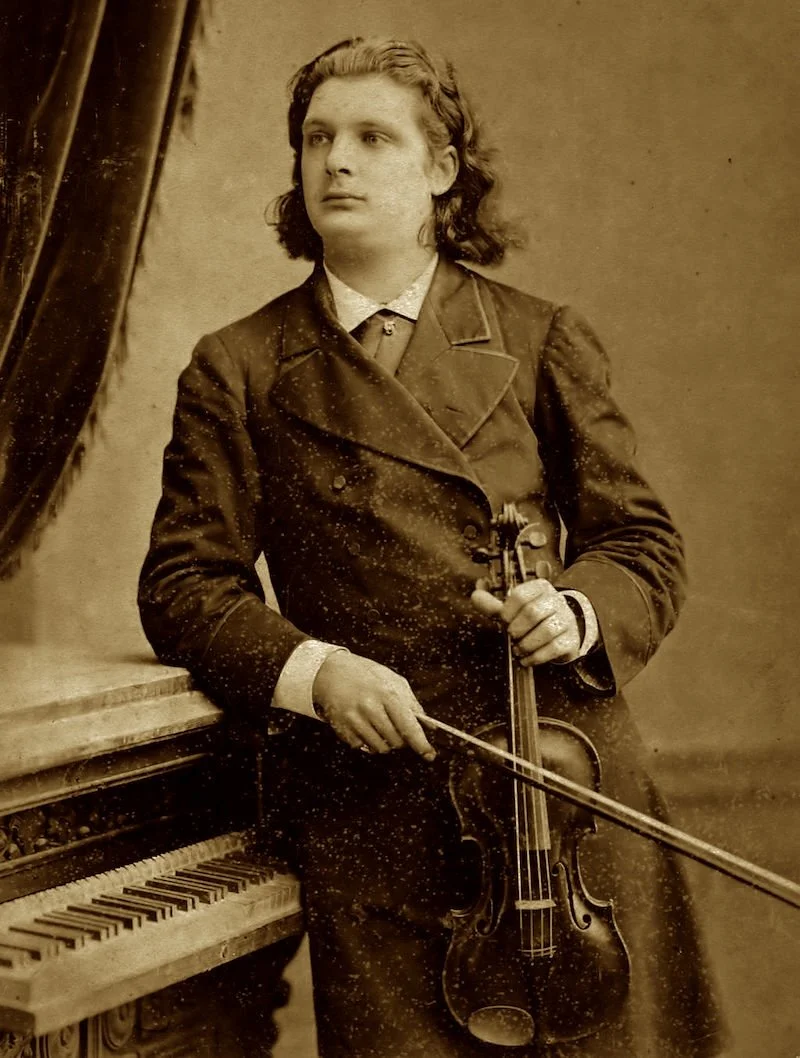
About that wedding. Franck composed the work for the young virtuoso Eugène Ysaÿe and his bride Louise Bourdeau de Courtrai. Ysaÿe played the sonata that very day for his guests. He would give the public premiere of the work a couple of months later, and it has taken on a life of its own ever since.

César Franck (1822-1890)

Sonata for Violin and Piano in A Major (1868)

I. Allegretto ben moderato

II. Allegro

III. Recitativo-Fantasia. Ben moderato — Molto lento

IV. Allegretto poco mosso


Artists: Winston Choi, piano; Maria Sampen, violin

View Event →
Portrait of an Artist 4: Paul Mergen, tuba
Jun
26

Portrait of an Artist 4: Paul Mergen, tuba

Tubist Paul Mergen served a distinguished career in the United States Marine Band, “The President’s Own,” in Washington, DC. He played for State dinners at the White House, memorial services and funerals at Arlington National Cemetery and numerous tours to every corner of our vast nation. Paul is part of a more than two-century tradition that began with an act of Congress establishing the band in 1798, thus making it the oldest professional musical organization in the US. Paul has seen some things… but they’re mostly all classified. So, we’ll content ourselves with the parts he can share, which is plenty!

You might wonder how many times Paul has played our national anthem, The Stars and Stripes Forever or The Washington Post March. We’ll find out! And you might wonder what a tuba is doing all by itself, center stage at a chamber music festival. Of that, I am certain you will find with great pleasure exactly why. His repertoire spans devotional early music to modern experimental music. Paul is a musician of the highest order. And he outranks me. And he was my college roommate and best man. You’re in for a treat!

All selections will be announced from the stage.


Artists: Winston Choi, piano; Paul Mergen, tuba

View Event →
Special Event — PROJECT Trio
Jun
24

Special Event — PROJECT Trio

PROJECT Trio makes a triumphant return to WWCMF, and a maiden voyage into the acoustically magnificent barrel room at Echolands Winery.

Boasting a new look since their last visit to Walla Walla, we welcome saxophonist Daniel Berkey to the group. The barrel room will be rocking with a staggering array of hard-to-categorize music from many genres from hip-hop to jazz to classical, always with style and panache.

Actually, it’s easy to categorize their music: it all falls under the category of Awesome.


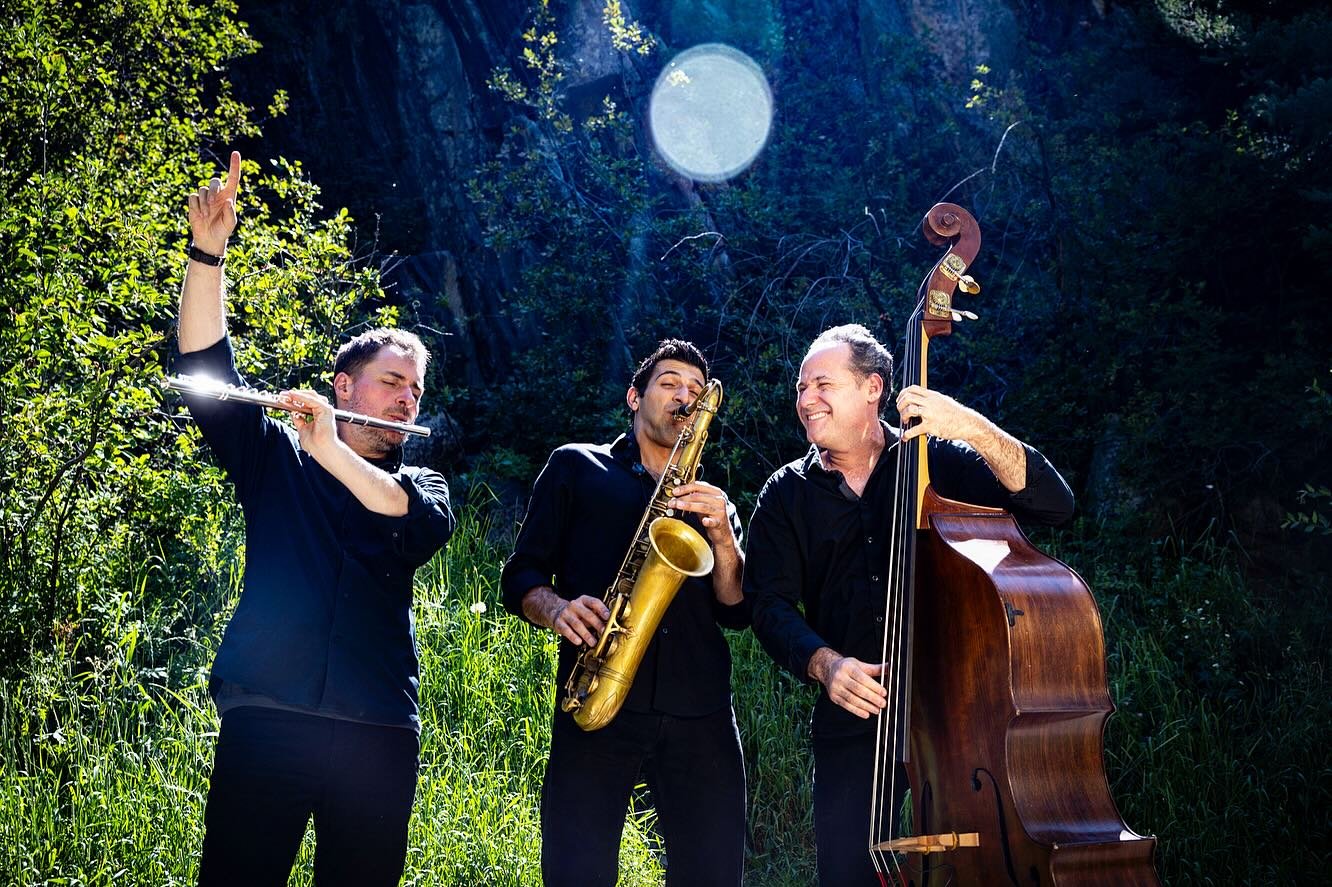
Artists: PROJECT Trio: Daniel Berkey, saxophone; Greg Patillo, flute; Peter Seymour, double bass

View Event →
Festival Series 3: Barber, Ligeti, Schoenberg & Strauss
Jun
21

Festival Series 3: Barber, Ligeti, Schoenberg & Strauss

Samuel Barber (1910-1981)

Summer Music, Op. 31 (1956)

for woodwind quintet

György Ligeti (1923-2006)

Six Bagatelles (1953)

for woodwind quintet

I. Allegro con spirito

II. Rubato. Lamentoso

III. Allegro grazioso

IV. Presto ruvido

V. Adagio. Mesto (Béla Bartók in memoriam)

VI. Molto vivace. Capriccioso

Richard Strauss (1864-1949), arr. Franz Hasenöhrl (1885-1970)

Till Eulenspiegel— einmal anders! (Grotesque musicale), Op. 28/(1954)

Till Eulenspiegel— another way! (Musical Grotesque), Op. 28/(1954)

for violin, clarinet, horn, bassoon and double bass


Intermission


Arnold Schoenberg (1874-1951)

Verklärte Nacht (Transfigured Night), Op. 4

for string sextet


Artists: Timothy Christie, viola; Tracy Doyle, flute; Mara Gearman, viola; Cara Kizer, horn; Paul Rafanelli, bassoon; David Requiro, cello; Svend Rønning, violin; Maria Sampen, violin; Kevin Schempf, clarinet; Joshua Skinner, double bass; Meta Weiss, cello; Dan Williams, oboe

View Event →
Tasting Music 3: Verklärte Nacht
Jun
20

Tasting Music 3: Verklärte Nacht

A man and a woman walk side by side in a cold, moonlit forest. There are no clouds to obscure the light above. After a time, the woman speaks, telling her companion that she is pregnant, and not by him.

Is this a trailer for the latest gripping, prestige TV drama on your favorite streaming service? No. It is the subject of Arnold Schoenberg’s chamber tone poem Verklärte Nacht. This sonic journey ravishes, transforming player and listener alike, even as the characters walking through the cold forest are transformed. In Verklärte Nacht, we encounter the apex of post-Romantic expression, fittingly penned at the dawn of a new century.

(Note to self… develop TV show based on Dehmel/Schoenberg’s Transfigured Night.)

Arnold Schoenberg (1874-1951)

Verklärte Nacht (Transfigured Night), Op. 4 (1899)

For string sextet


Artists: Timothy Christie, viola; Mara Gearman, viola; David Requiro, cello; Svend Rønning, violin; Maria Sampen, violin; Meta Weiss, cello

View Event →